
A pump that will not prime is one of the most common call-outs in spa servicing, and one of the most commonly misdiagnosed. The symptom points at the pump, so the pump gets replaced.
Often the pump was never the problem...
Start with the symptom and the exact pump model.
A structured check helps you decide what to investigate before ordering a replacement, and it takes far less time than a return visit with the wrong part.
What does priming a hot tub pump mean?
Priming means establishing water in the pump's wet end and connected pipework so the pump can move water effectively. The wet end is the part of the pump that contains the impeller and handles the water.
Air trapped during filling can prevent this from happening. However, low flow can also result from restrictions or a mechanical fault. Start by recording whether the problem appeared after a refill, after maintenance or during normal operation.
Before you start
Isolate power before any inspection. Follow the manufacturer's instructions for the specific pump and spa system you are working on.
Record the model and describe precisely what is happening. "Not priming" covers several different faults, and the distinction matters:
- No water movement at all
- Water moving but low or inconsistent flow
- Pump running dry or noisy on start-up
- An intermittent fault that clears and returns
These details narrow the diagnosis considerably, and they are the first thing our technical team will ask for.
Three areas to check
1. Water level and supply
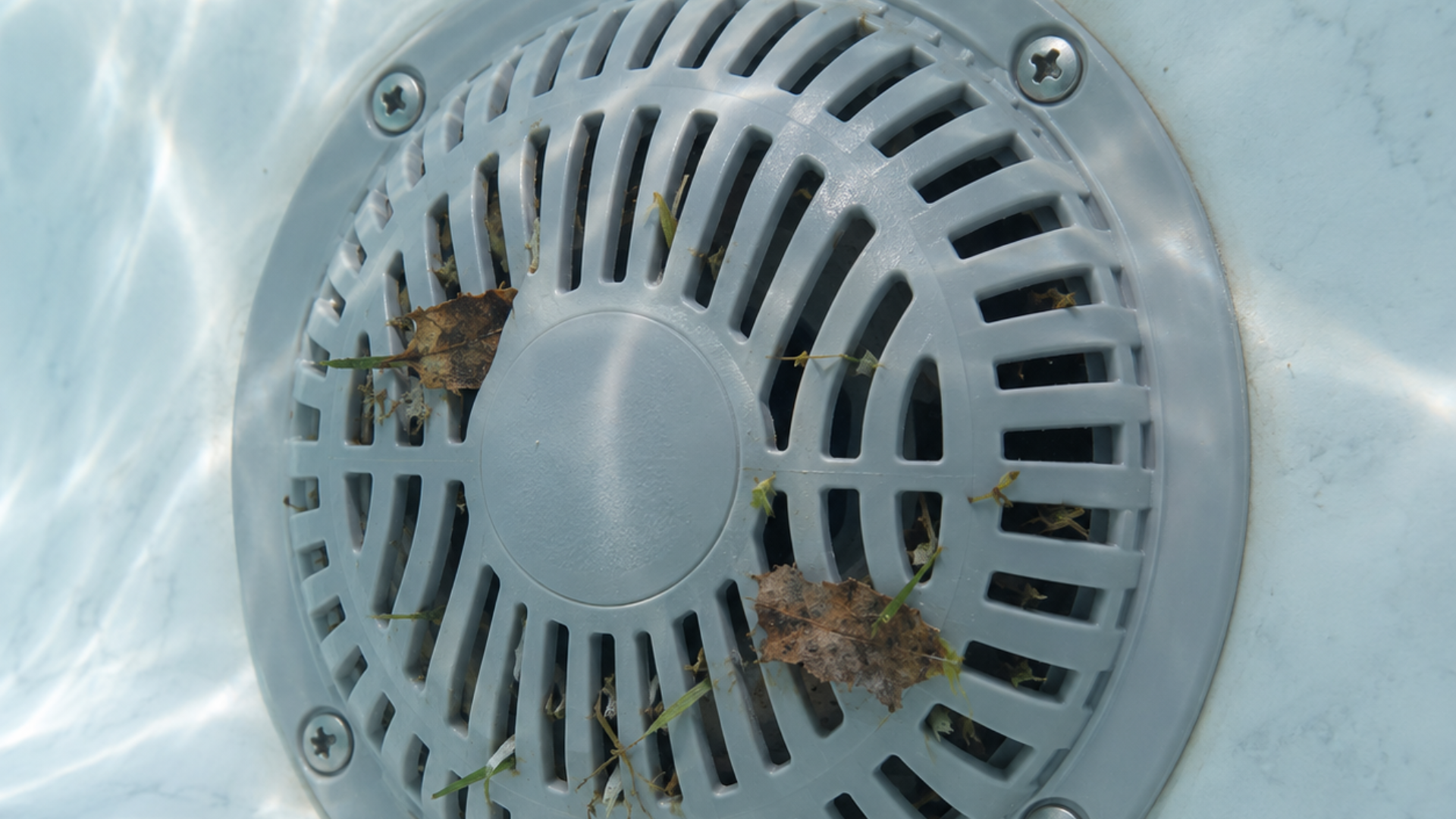
A pump cannot prime what it cannot draw. Confirm the water level against the spa manufacturer's guidance before looking at anything mechanical.
Check that the suction side is fully submerged and that nothing is restricting supply into the pump. A low level, a partially closed valve or a blocked suction fitting will produce the same symptom as a failed pump.
2. The flow path
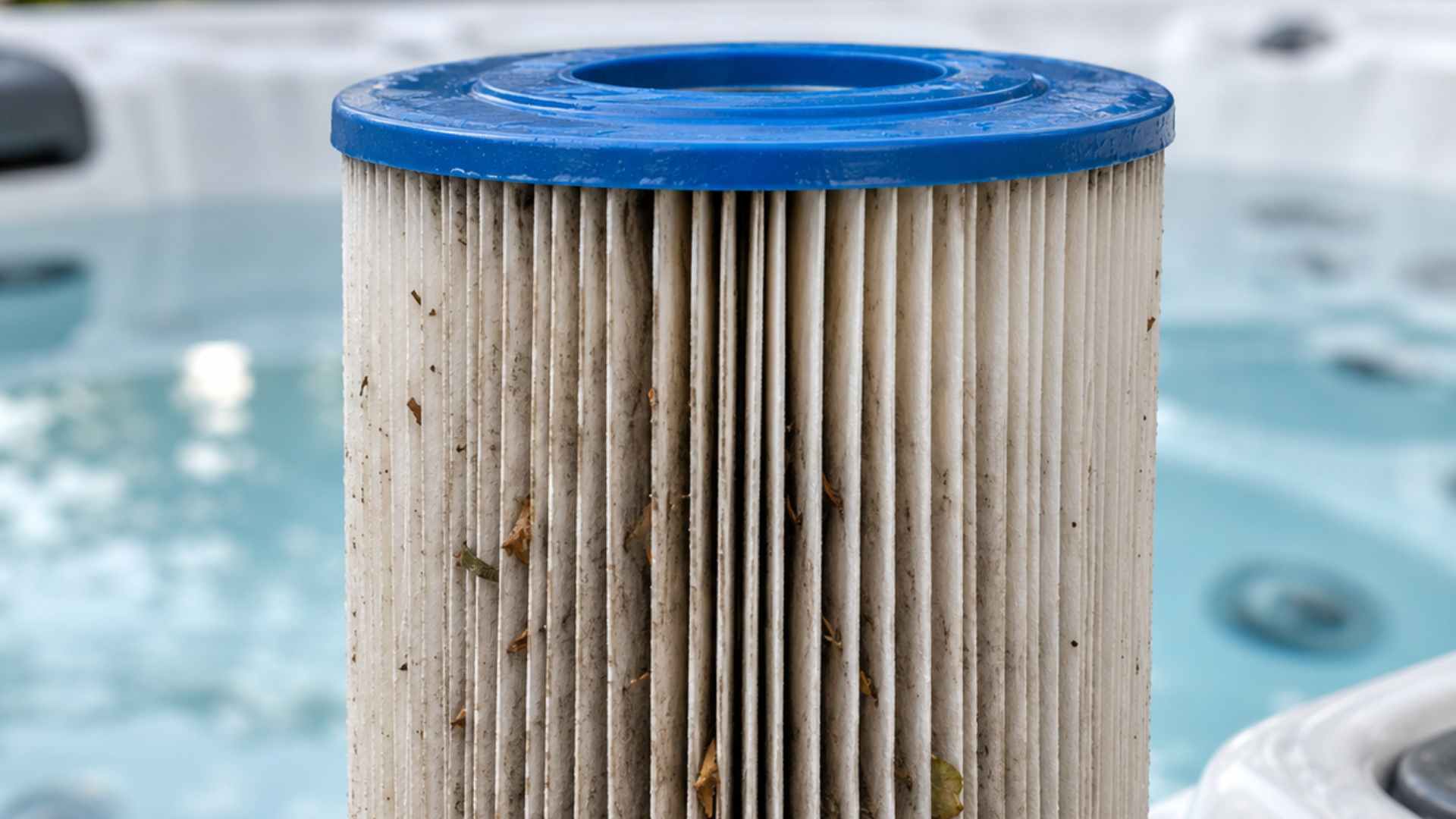
Work along the flow path from the suction side to the pump inlet and note any signs of restriction.
Common causes include a blocked or heavily soiled filter, a partially closed isolation valve, a collapsed or kinked flexible hose, and trapped air in the system. Air in particular is worth ruling out early — an airlock will prevent priming entirely while leaving the pump itself in perfect working order.
If the spa has recently been drained, refilled or serviced, air is the most likely explanation and should be your first check rather than your last.
3. The priming procedure
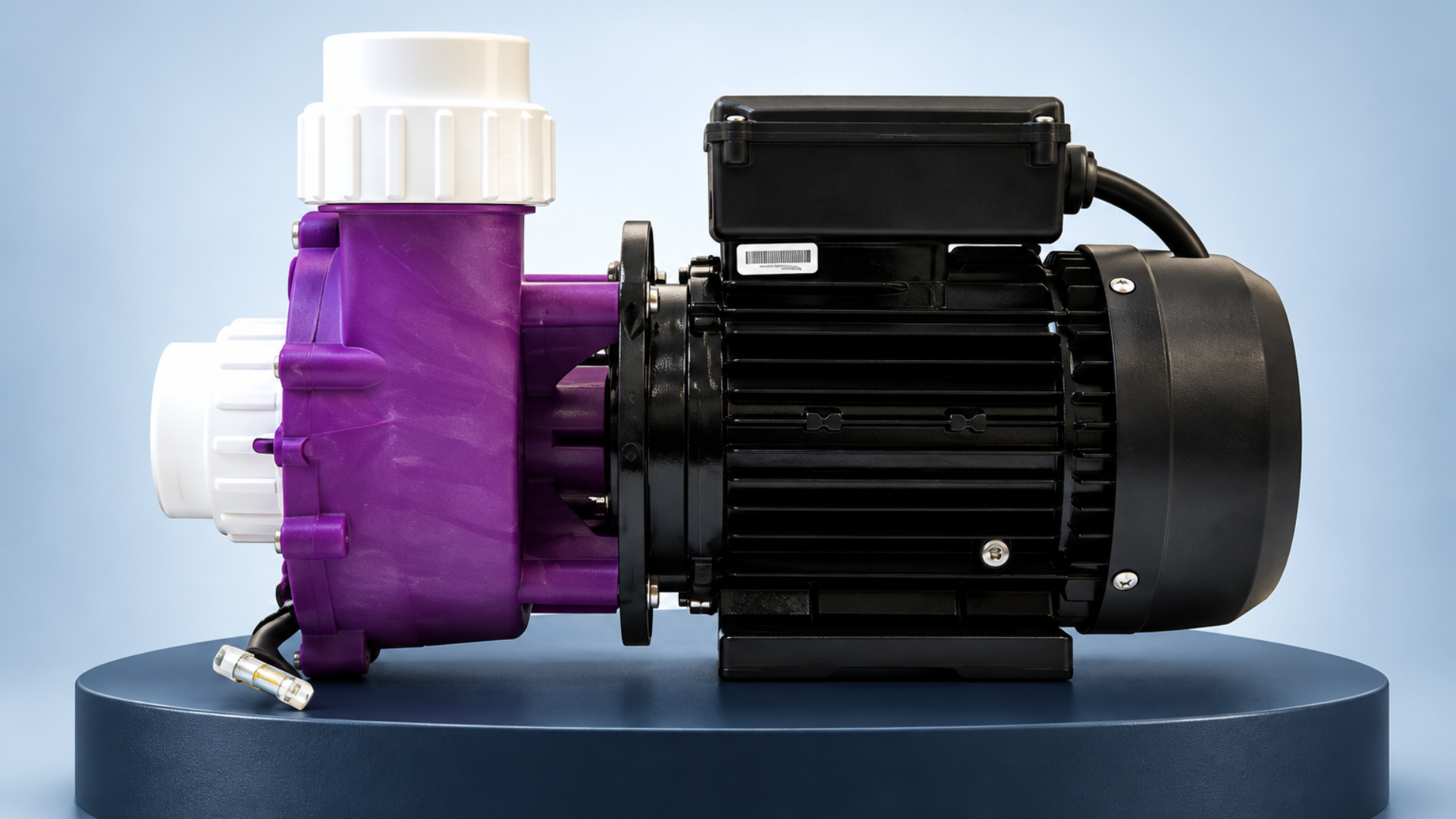
Follow the priming procedure for the exact system you are working on. Procedures vary between manufacturers and between models within the same range, and skipping a step will produce a false diagnosis.
If the pump primes correctly after a proper bleed and prime, the fault was air, not the pump. If it fails to prime after a correct procedure, and water level and flow path are both confirmed good, you are now in a position to reasonably suspect the pump or its wet end.
What the error message actually tells you
A flow error on the control system tells you where to begin investigating. It does not identify the failed component.
The controller is reporting an absence of flow. That absence could originate in the water level, the filter, a valve, an airlock, the pump, or the flow sensor itself. Treating a flow error as a pump failure diagnosis is one of the most common ways to fit a new pump and still have the same fault.
The pump still will not prime, what next?
Record the symptom precisely before moving to component testing:
| What you observe | What to investigate next |
|---|---|
| Motor runs but there is no flow | Airlock, closed valves or an obstructed flow path |
| Motor runs but flow remains weak | Remaining filter or plumbing restrictions, or an impeller problem |
| Motor hums but does not start | Motor, capacitor, supply or mechanical seizure; requires qualified diagnosis |
| Pump repeatedly trips or cuts out | An electrical or motor fault; stop repeated resets and investigate |
Hot tub pump priming FAQs
Why is my hot tub pump running but not pumping water?
Possible causes include trapped air, a closed valve, a restriction or an impeller fault. Work through the water-level, valve, filter and airlock checks before concluding that the pump has failed.
Can a dirty filter cause poor hot tub circulation?
Yes. A clogged filter restricts water flow. Inspect and clean the correct cartridge with power isolated, then refit it according to the spa manufacturer's instructions.
How long should a hot tub pump take to prime?
There is no single limit that applies to every spa pump. Follow the exact pump and spa instructions, including their stop conditions. If the guidance is unclear, stop and obtain technical advice instead of extending the run time.
Does an airlock mean the pump needs replacing?
An airlock alone does not establish pump failure. Follow the approved priming procedure and confirm whether normal flow returns. Persistent symptoms require further diagnosis.
Need help identifying the right pump?
Send Spa Parts Vortex a clear photo of the data plate, pictures showing the installed pump and connections, and a description of the symptoms or error codes. Include when the issue began and which checks you have completed.
We support trade professionals with hot tub parts and pump identification, helping you establish the right replacement for the job.
Before you order a replacement
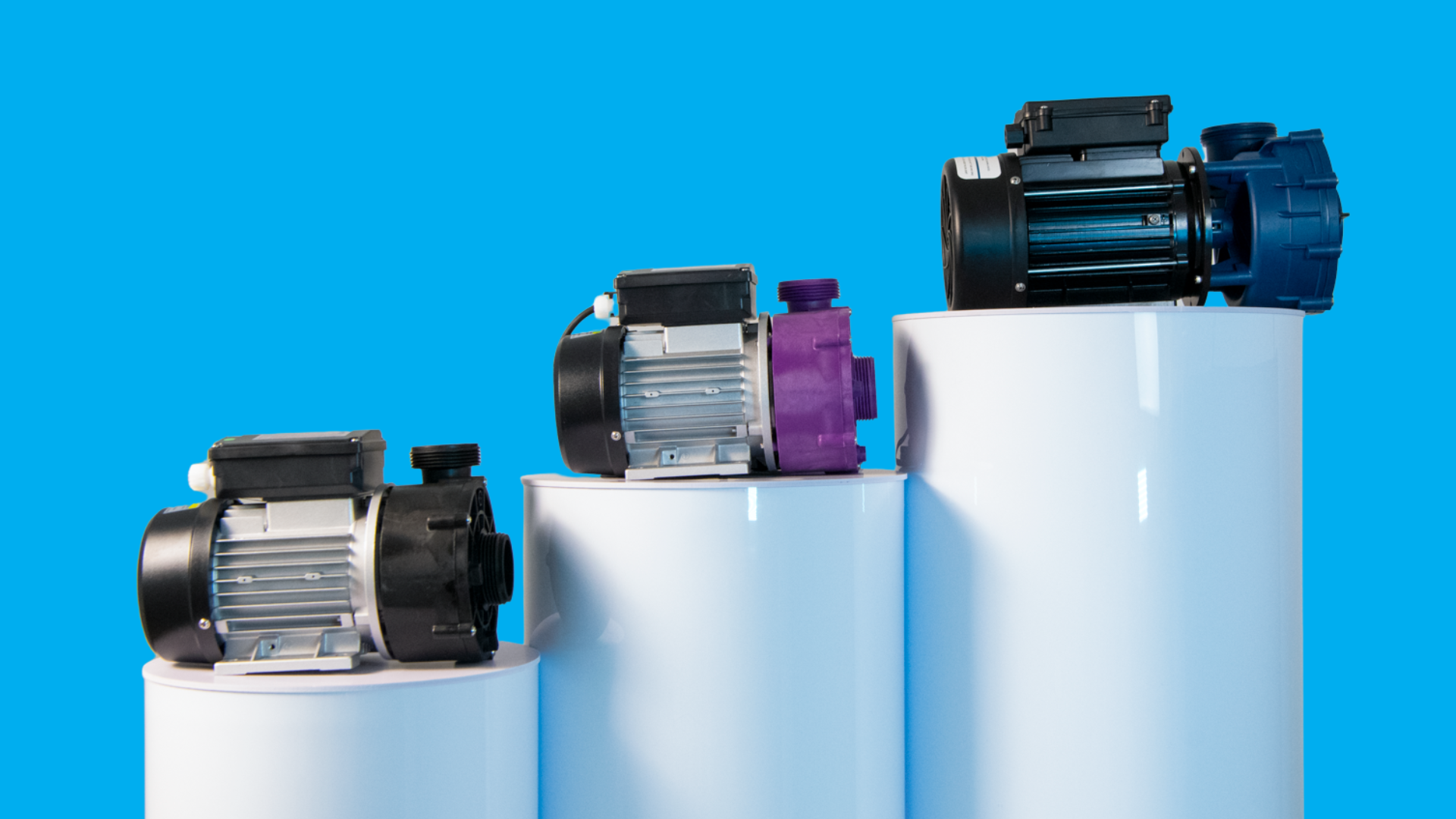
If the diagnosis does point to the pump, do not order on appearance. Two pumps that look identical on the shelf are frequently not interchangeable.
Confirm horsepower, single or two-speed operation, union sizes, wet-end orientation, overall dimensions and electrical requirements against the existing unit.
Returning to site with the wrong pump costs more than the ten minutes it takes to check.
Contact Spa Parts Vortex or browse hot tub pumps.
Technical references
- Balboa — TP600 and TP400 user guide, page 3. Priming operation, stop limits and service escalation for the systems covered by that guide.
- Waterway — 56-frame Viper Euro pump instructions, pages 1–2. Priming conditions and model-specific troubleshooting.
- Waterway — Pump FAQs. General pump no-flow, restrictions and impeller diagnostic principles
What to send our technical team
If you have worked through the three areas above and the fault persists, send us the following and we can help narrow it down:
- A clear photograph of the full data plate
- Photographs of the connections and the pump's position in the installation
- A description of the symptom and when it occurs
The more specific the detail, the faster we can confirm whether a replacement is needed and, if so, exactly which one fits.